


Is Collagen the Miracle Skin Ingredient?

Collagen is one of the most talked about ingredients in skincare, especially when the conversation turns to firm, plump, younger looking skin. It is the main structural protein in the skin and plays a major role in keeping the skin firm, smooth, and resilient.
The challenge is that collagen naturally declines with age. Sun exposure, smoking, pollution, stress, and a high sugar diet can also contribute to collagen breakdown. This is why so many creams, serums, powders, and supplements claim to help restore collagen and improve the look of aging skin.
But collagen in skincare can be confusing. Topical collagen, collagen supplements, collagen boosting ingredients, and injectable treatments all work very differently. Here is what collagen can realistically do for your skin and what may be more marketing than miracle.
What Is Collagen?
Collagen is a protein that acts like structural support for the skin. It helps keep the skin firm, elastic, and smooth. When collagen levels are healthy, skin tends to look plumper and more resilient. As collagen decreases, the skin may start to look thinner, looser, and more lined.
Research on collagen and skin aging shows that collagen loss is a key part of visible skin aging, and external factors such as UV exposure can accelerate this process.
Collagen can come from animal, marine, or synthetic sources and is used in both topical skincare and oral supplements. In the past, collagen was also used in injectable fillers, though many modern fillers now use hyaluronic acid instead.
To know more on skincare ingredients, shop our skincare ingredients dictionary on Amazon. Click here to shop Vol 1 and here to shop Vol 2.
Does Topical Collagen Build Collagen in the Skin?
This is where the marketing can get ahead of the science. Collagen molecules are generally large, which makes it difficult for them to penetrate deeply into the skin. That means applying collagen to the face does not necessarily replace the collagen your skin has lost.
Hydrolyzed collagen is broken down into smaller fragments, which may sit more comfortably on the skin and provide moisturizing benefits. However, there is limited clinical evidence showing that topical collagen can rebuild the skin’s natural collagen structure in the same way ingredients like retinoids can stimulate collagen production.
In simple terms, collagen creams may make the skin feel smoother, softer, and more hydrated, but they should not be treated as a guaranteed way to rebuild lost collagen.
Benefits of Collagen in Skincare
It can moisturize the skin
Topical collagen can act as a moisturizing ingredient. It may help improve skin softness and give a temporary plumper appearance by supporting surface hydration.
This can make fine lines look less noticeable in the short term, especially if the formula also contains humectants like glycerin or hyaluronic acid.
It may make skin look smoother
Because collagen products can help hydrate the surface of the skin, they may temporarily improve the look of roughness, dryness, and crepey texture.
This effect is cosmetic and surface level, but it can still be useful if your skin feels dry or dull.
It can support an anti aging routine when paired correctly
Collagen skincare works best when paired with ingredients that are better studied for supporting collagen production. These include retinoids, vitamin C, peptides, growth factors, and daily sunscreen.
Research on topical retinoids and photoaging supports retinoids as one of the most established ingredients for improving visible signs of aging. Vitamin C is also important because it supports collagen synthesis and helps protect against oxidative stress, as explained in research on vitamin C and skin health.
What About Collagen Supplements?
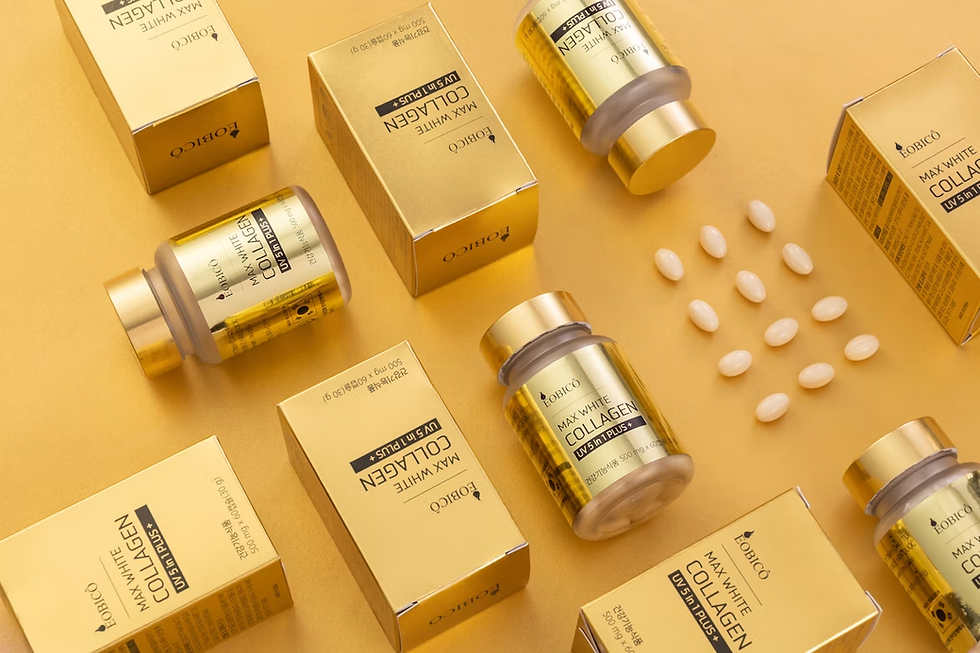
Collagen supplements are popular for skin, hair, nails, and joints. Some studies suggest that oral collagen peptides may improve skin hydration, elasticity, and wrinkle appearance over time.
A review on oral collagen supplementation and skin aging found that hydrolyzed collagen supplementation may support skin hydration, elasticity, and wrinkles, although product quality, dosage, and study design can vary.
That said, collagen supplements are not magic. Once consumed, collagen is broken down into amino acids and peptides. The body then decides where to use them. They may support skin, joints, or other tissues, depending on your body’s needs.
Supplements are also not regulated like prescription drugs, so quality matters. Anyone who is pregnant, breastfeeding, has allergies, follows dietary restrictions, or has a medical condition should check with a healthcare professional before using collagen supplements.
How to Use Collagen in Your Routine
A collagen cream or serum can be used once or twice daily, depending on the product instructions. Apply it after cleansing and before sunscreen in the morning. At night, apply it before or after other treatments based on the texture of the formula.
If your goal is firmer skin, do not rely on collagen alone. Use sunscreen every morning, consider a retinoid at night if your skin can tolerate it, and add antioxidants like vitamin C to help protect the skin from environmental stress.
Why Sunscreen Matters Most
Sunscreen is one of the most important steps for protecting existing collagen. UV exposure breaks down collagen and elastin, which contributes to wrinkles, sagging, uneven tone, and rough texture.
The American Academy of Dermatology recommends broad spectrum SPF 30 or higher to help protect skin from UV damage. For collagen preservation, daily sunscreen is more important than any collagen cream.
Recommended Products

Best for a luxury collagen-positioned moisturizer. It does not work by “adding collagen” into the skin; instead, it uses marine and plant actives like Padina Pavonica, chlorella, and porphyridium cruentum to improve hydration and the look of firmness. Elemis states it is clinically proven to improve hydration and reduce the appearance of fine lines in 2 weeks. Click here to buy.

A good option for users who want a dewy, plump finish rather than a rich cream. I would recommend it for normal, combination, or dry skin that wants a “collagen glow” effect with hydration and bounce. Click here to buy.

A stronger treatment-style moisturizer because it combines peptides, Vitamin C, glycolic acid, collagen, centella asiatica, and green tea extract. I recommend it for skin that wants firming, brightening, exfoliation, moisture, and soothing benefits in one cream. Click here to buy.
The Final Takeaway
Collagen is essential for firm, smooth, youthful looking skin, but collagen skincare products are often misunderstood. Topical collagen can help moisturize and temporarily plump the skin, but it is unlikely to rebuild lost collagen on its own.
If you want to support collagen long term, focus on proven habits and ingredients: daily sunscreen, retinoids if tolerated, vitamin C, peptides, a balanced protein rich diet, and avoiding smoking and excessive UV exposure.
Collagen creams can still be worth using if you like how they make your skin feel. Just think of them as moisturizers, not miracle collagen replacements.
Frequently Asked Questions
Is collagen better orally or topically?
Topical collagen mostly helps with surface hydration, while oral collagen peptides may support skin hydration and elasticity in some studies. However, results vary, and supplements should be chosen carefully.
What foods support collagen production?
Protein rich foods such as eggs, fish, chicken, beans, and dairy can support the amino acid needs for collagen production. Vitamin C rich foods such as oranges, berries, bell peppers, and citrus fruits also support collagen synthesis.
Why is sunscreen important for collagen?
UV exposure breaks down collagen in the skin. Daily sunscreen helps protect the collagen you already have and reduces the visible signs of photoaging over time.
Sources & Further Reading
Kaye's Beauty Book is here to help you choose better products that suit your skin, hair and lifestyle. All of the products mentioned are carefully researched and selected to ensure that the most credible information comes to you. If you do buy a product from one of our links, Kaye's Beauty Book may earn a commission.
II DISCLAIMER: Every skin is different, not everything works for everybody. I recommend you test the product before completely using any new product. II


Comments