


Is Isopropyl Alcohol good for Acne?


A quick scan of OTC toners and astringents for acne-prone skin will show that most contain some form of alcohol. This raises a reasonable question — why not skip the specialty products and just use rubbing alcohol directly on breakouts?
While rubbing alcohol can help clear pimples to some degree, it isn't a reliable long-term solution due to its side effects and limited scientific support.
The Science Behind It
Rubbing alcohol — technically isopropyl alcohol — is inexpensive, widely available at drugstores, and typically comes in a 70% isopropyl formula. It works by breaking down bacteria on contact, making it a staple for wound cleaning, surface disinfection, and hand sanitizers. However, it doesn't discriminate — it eliminates beneficial bacteria alongside harmful ones.
Does It Work on Acne?
In theory, rubbing alcohol's antibacterial properties could help with inflammatory acne, which is often triggered by acne-causing bacteria. This type includes papules, pustules, nodules, and cysts. For non-inflammatory acne like blackheads and whiteheads — which are caused by clogged pores rather than bacteria — rubbing alcohol is far less likely to help, though its drying effect might reduce dead skin cell buildup to some extent.
The problem is there's minimal clinical evidence supporting rubbing alcohol as a standalone acne treatment. Existing research points to other ingredients — like benzoyl peroxide, salicylic acid, and prescription retinoids — as more effective and better-studied options.
To know more on skincare ingredients shop our skincare ingredients dictionary on Amazon. Click here to shop.
Download our skincare ingredient scanner app from the google play store. Scan the ingredients at the back of the pack and know which ingredients are good or bad for your skin. Click here to download.
How to Use It (If You Choose To)
If you decide to try rubbing alcohol, stick to a formula that is no more than 70% isopropyl — higher concentrations are unnecessarily harsh on skin. You can also dilute it with a carrier oil like olive oil or mix it with tea tree oil in equal parts. Always do a patch test on your arm first and wait 24 hours before applying to your face.
If you proceed, cleanse your face, apply a small amount to a cotton ball, and gently dab it onto the affected area. Follow up with your regular serum, moisturizer, and SPF. Start with once daily and increase to a maximum of three times only if your skin tolerates it well.
Possible Side Effects
Rubbing alcohol can cause redness, dryness, flaking, itchiness, peeling, and pain — particularly on sensitive skin. Ironically, it can also worsen acne: over-drying triggers the skin's oil glands to overproduce sebum, which can lead to more breakouts. Dry, flaky skin also traps dead cells in pores, increasing the likelihood of blackheads and whiteheads. Dermatologists broadly recommend choosing alcohol-free acne products to avoid these issues.
Recommended Products

A gentle yet effective benzoyl peroxide treatment that targets acne-causing bacteria without over-drying. Ideal for mild to moderate inflammatory breakouts. Click here to buy.

A dermatologist-developed cleanser that combines benzoyl peroxide with ceramides to fight acne while simultaneously supporting the skin barrier — great for those with sensitive, breakout-prone skin. Click here to buy.
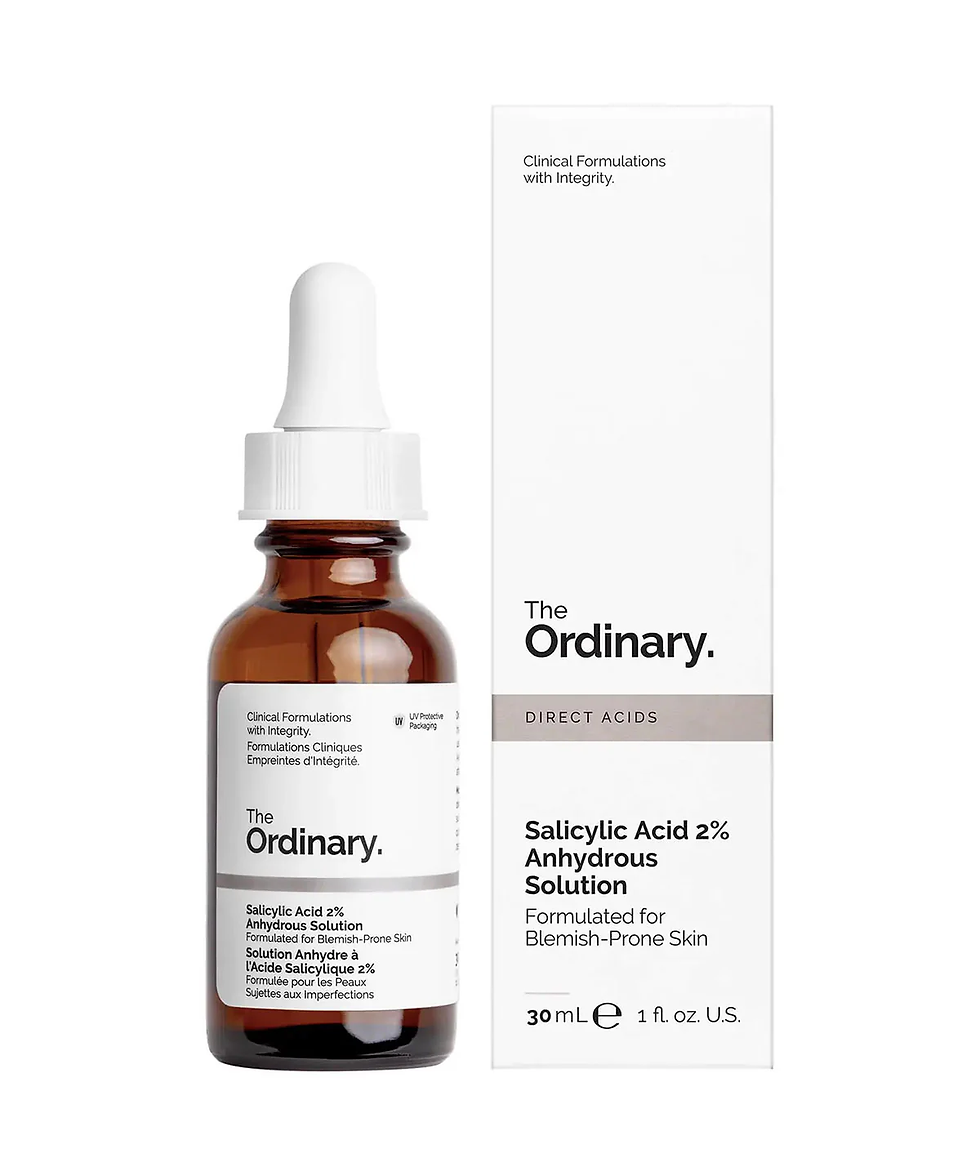
A lightweight, alcohol-free BHA treatment that cuts through excess oil and clears clogged pores — a go-to for blackheads, whiteheads, and congestion-prone skin. Click here to buy.

A targeted, naturally derived option featuring tea tree oil — a well-known antibacterial ingredient — to reduce the appearance of blemishes and calm redness gently and effectively. Click here to buy.
The Bottom Line
Rubbing alcohol is not the most effective or safest route for treating acne. Better-proven OTC options like benzoyl peroxide and salicylic acid are preferable. If breakouts persist despite home treatment, a dermatologist can help tailor a more targeted approach.
Kaye's Beauty Book is here to help you choose better products that suit your skin, hair and lifestyle. All of the products mentioned are carefully researched and selected to ensure that the most credible information comes to you. If you do buy a product from one of our links, Kaye's Beauty Book may earn a commission.
II DISCLAIMER: Every skin is different, not everything works for everybody. I recommend you test the product before completely using any new product. II


Comments